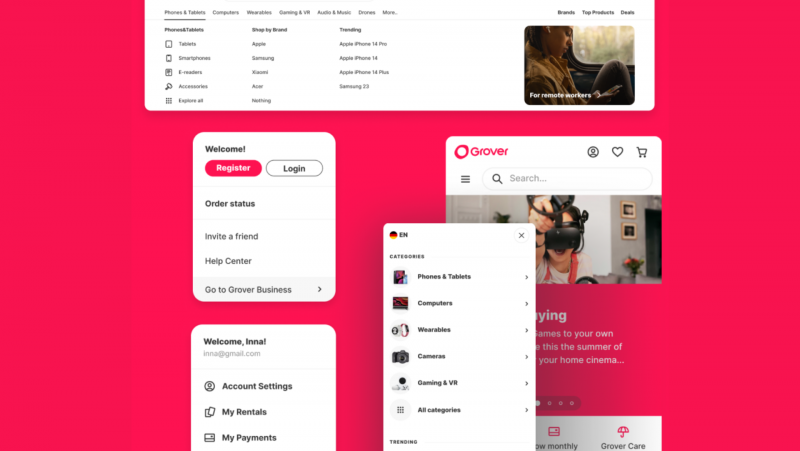
We transformed our sluggish, WebView-based mobile apps into fast, feature-rich React Native applications. By delivering a truly native experience, we increased mobile conversion, improved customer satisfaction, and boosted app order share by 29% YoY. The result? Happier users, better reviews, and a mobile platform that finally matched our ambitions.
Situation
“Why install the app if it’s just the website?”
That was the core user complaint. Our old mobile apps were essentially just containers (WebViews) for the mobile website. Slow to load, clunky to use, and missing core features like offline access, push notifications, and native UI patterns. App reviews were critical, and user frustration was clear. Despite increasing app usage and strong mobile order volumes, we were stuck with a poor foundation that limited both performance and innovation.
And the numbers backed it up: more than 60% of orders were placed on mobile, with over 30% on our native apps alone. Native app users converted 8x more often than mobile web users. App usage was steadily rising, but the performance gap was holding us back. User reviews in the app stores regularly called out sluggish behavior, bugs, and the sense that the app was “just a wrapper.”
We believed that by rebuilding our mobile apps with React Native and offering a truly native experience, we would significantly improve user satisfaction and conversion rates, ultimately increasing customer retention and business performance.
We knew we needed a change, not just a patch. So we rebuilt everything with React Native.
"If you care about the user experience… it's almost impossible to deliver that with a non‑native application."
Keith Rabois, COO of Square, at MobileBeat (2011)
Task
Deliver a truly native mobile experience
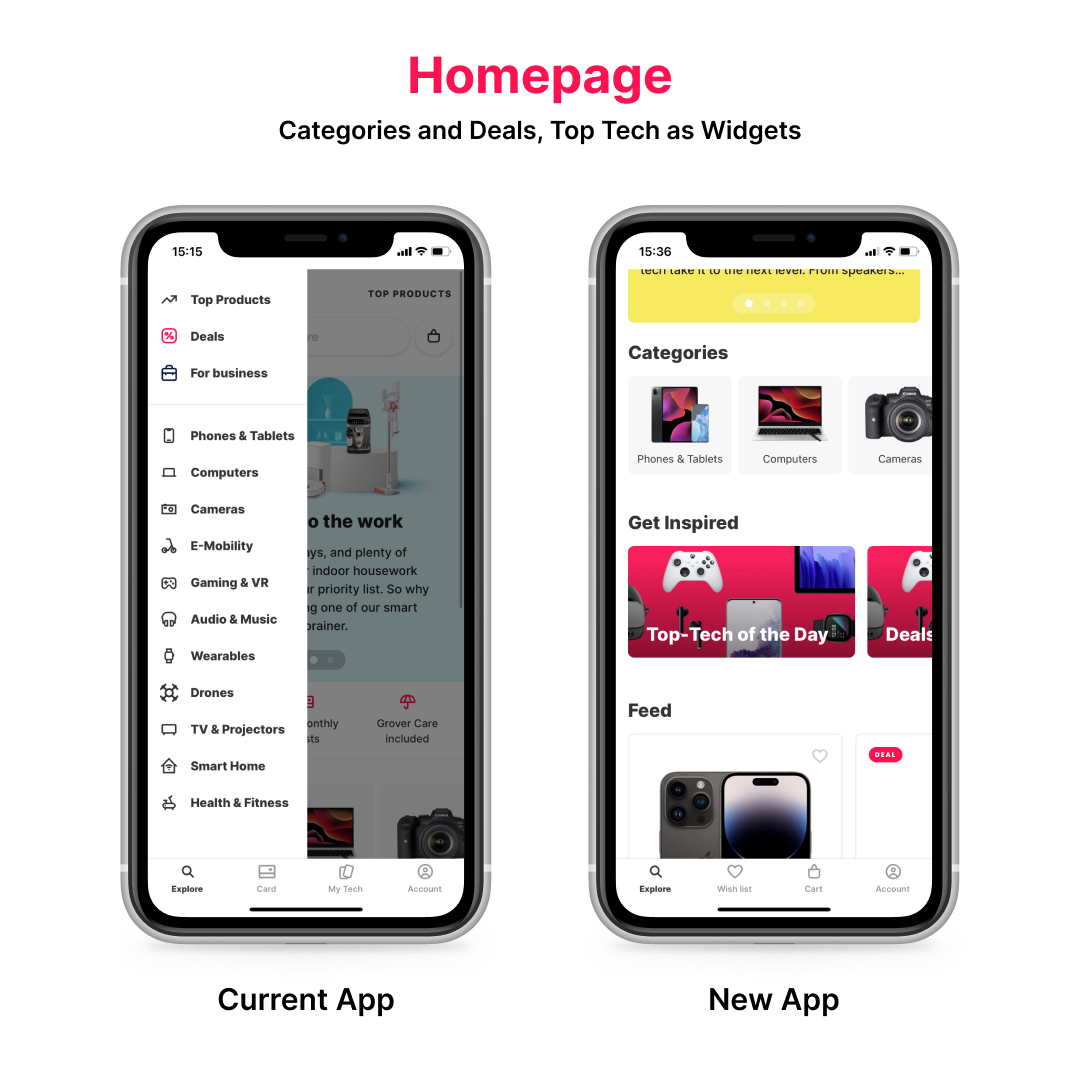
Our mission was to replace our WebView-based apps with React Native versions that would perform better, integrate seamlessly with devices, and unlock native features our users expected.
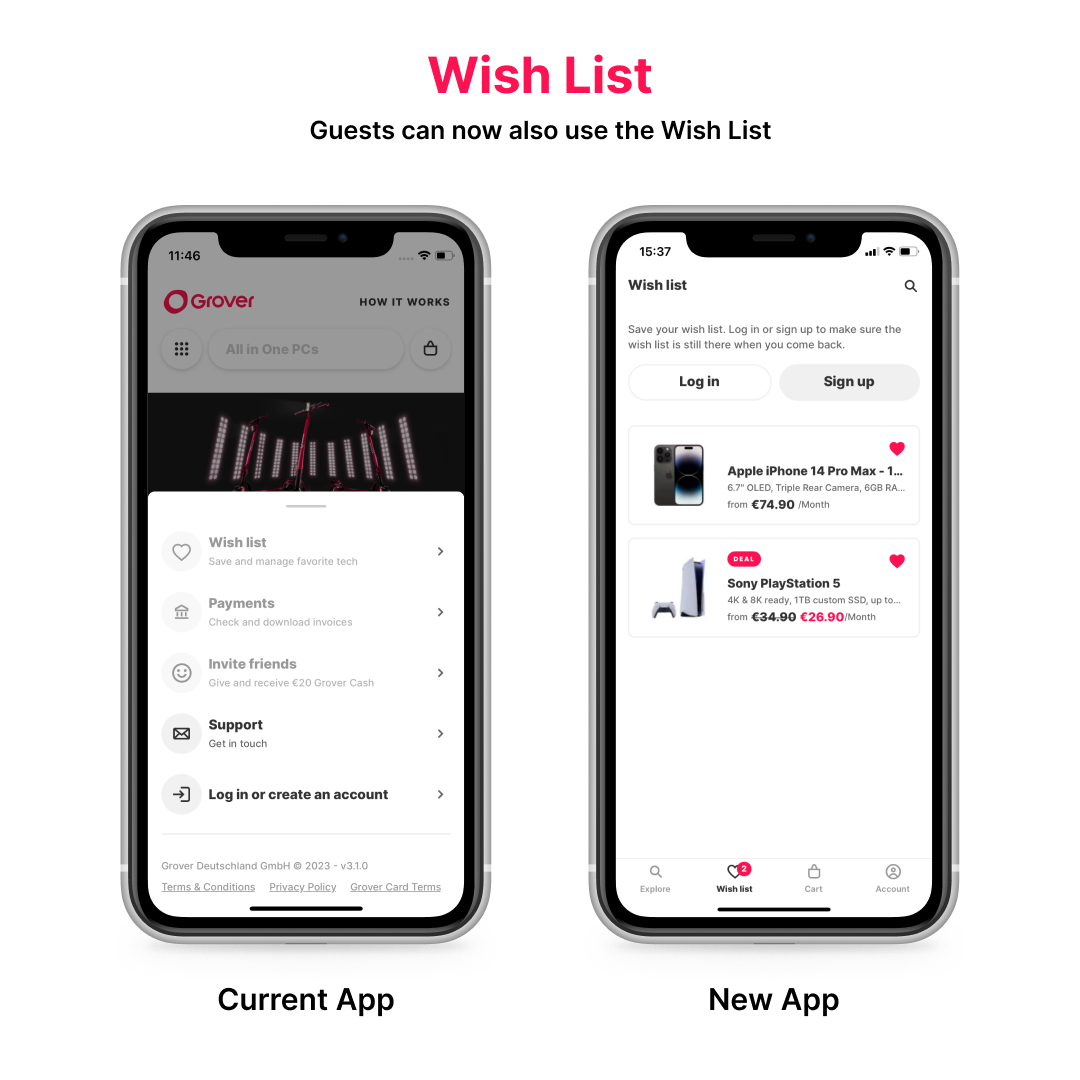
Just as importantly, we wanted to give our marketing and commercial teams the flexibility to tailor content specifically for the app experience, enabling more targeted communication and promotions distinct from the web.
Primary Success
CR Add-to-Cart to Order
CR Session to PDP
Secondary Success
App Order Share
App Store Ratings
User Retention
Guardrail Metrics
App Load Time
App Crash Rate
App Exit Rate
Tradeoff Metrics
Drop in Web Usage
Actions
A ground-up rebuild across teams
This project wasn’t just a redesign, it was a complete platform transformation. Together with my product trio, I led the initiative end-to-end. We coordinated seven product teams across the mobile journey to deliver their domain experiences in React Native. In parallel, I collaborated closely with our commercial and marketing teams to define app-specific content placements, manage legal and compliance topics, and align on advertising and promotion strategies.
We tested the app in each market (NL, AT, US, DE) and evaluated funnel metrics. After validating results, we gradually rolled out globally across iOS and Android.
We closely monitored app insights and user feedback post-launch. We prioritized improvements, fixed bugs, and refined areas that underperformed to continuously raise the bar.
Frameworks/Methods
We validated the user experience using App Store reviews and product analytics. Beta testing and A/B tests helped us measure improvements and guide release decisions.
Deliverables
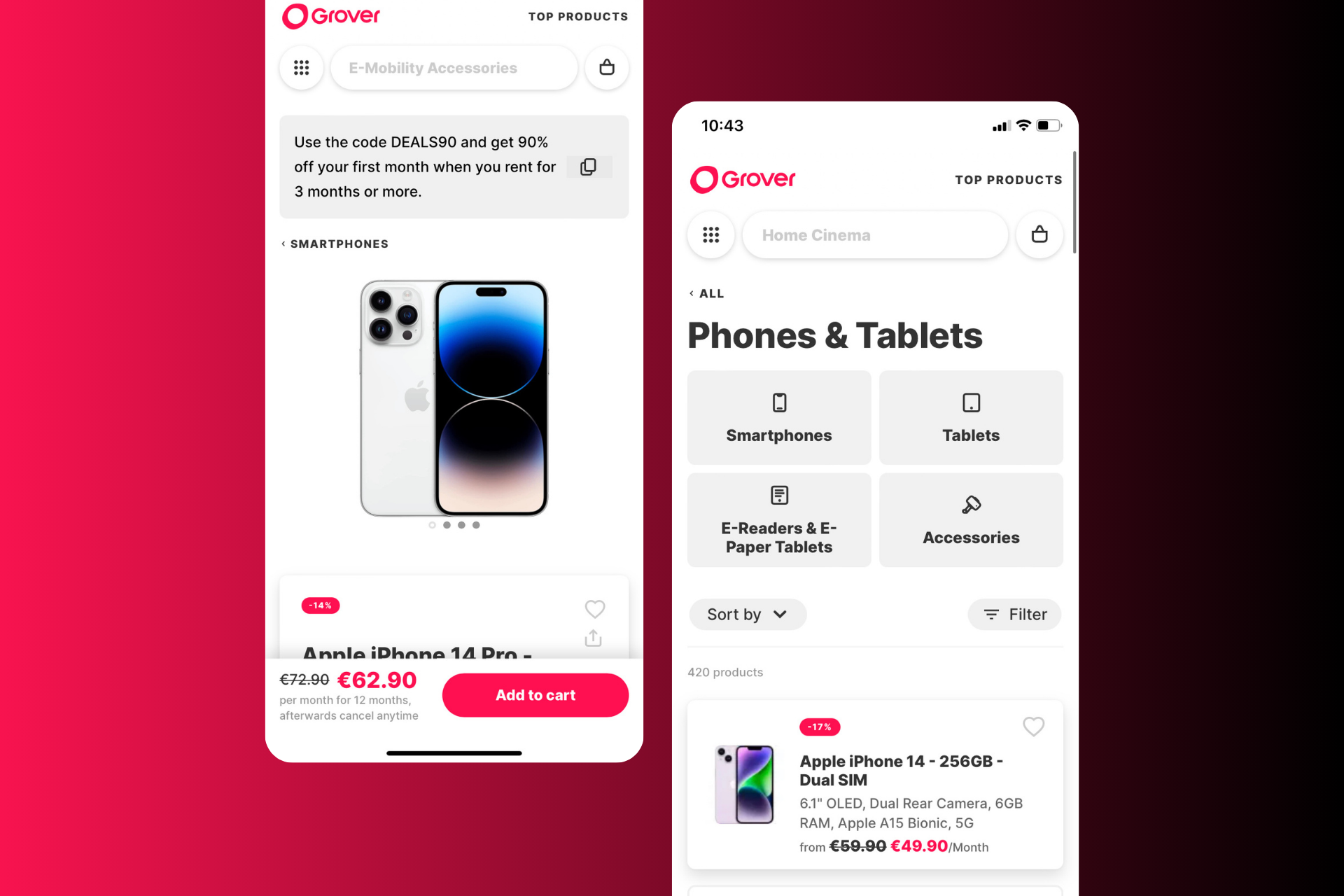
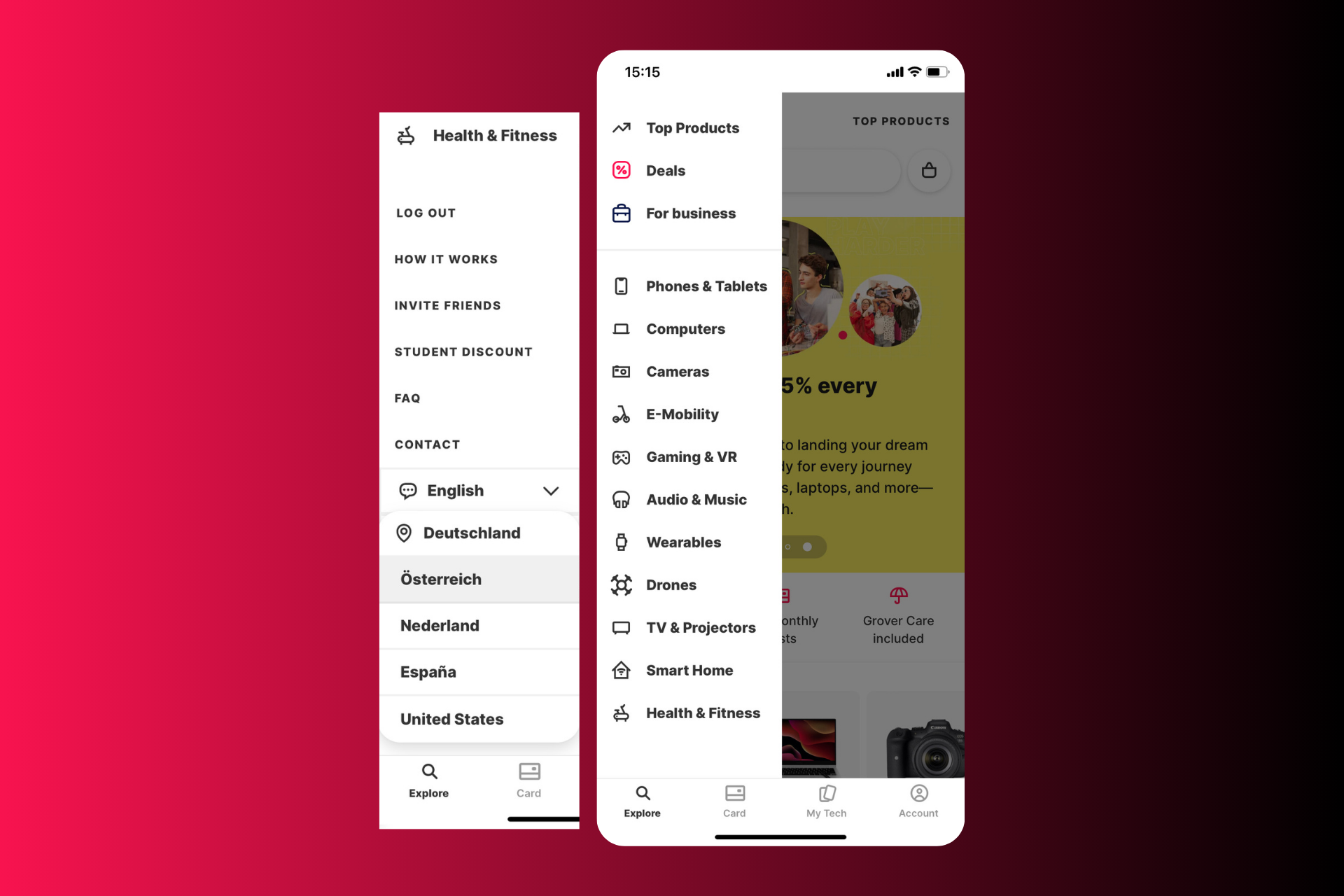
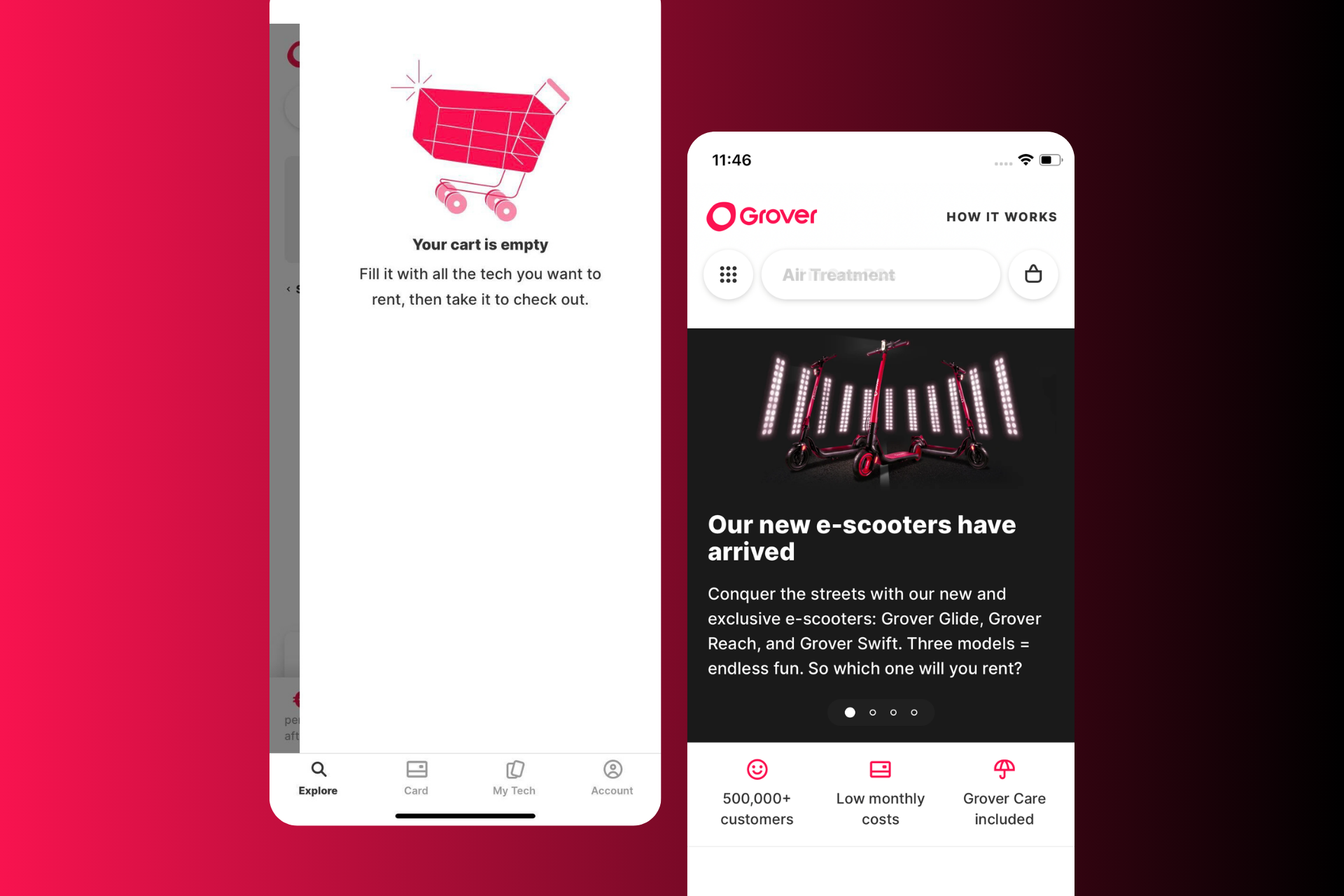
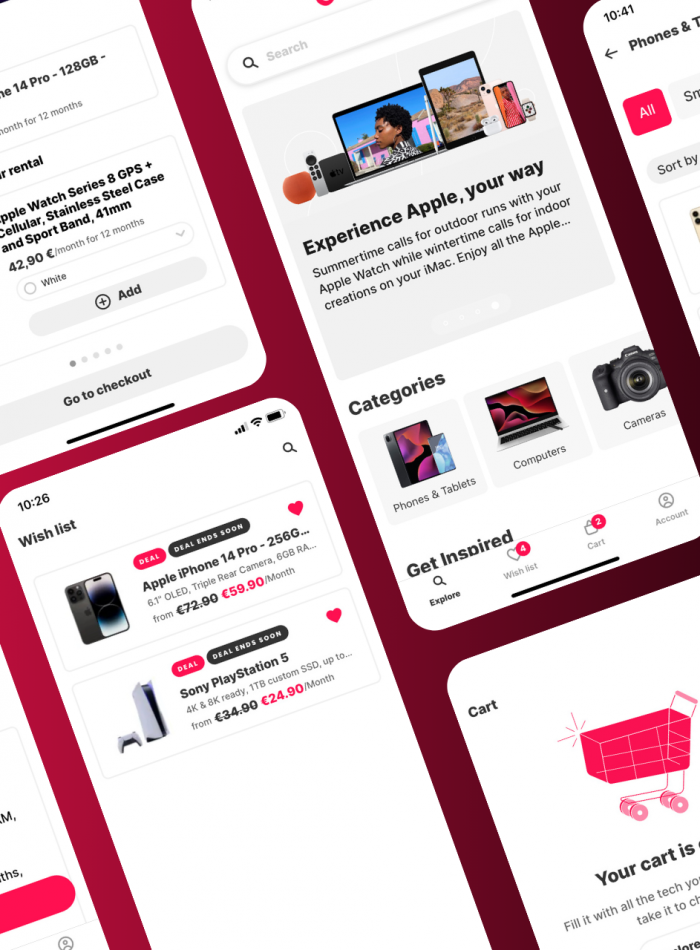
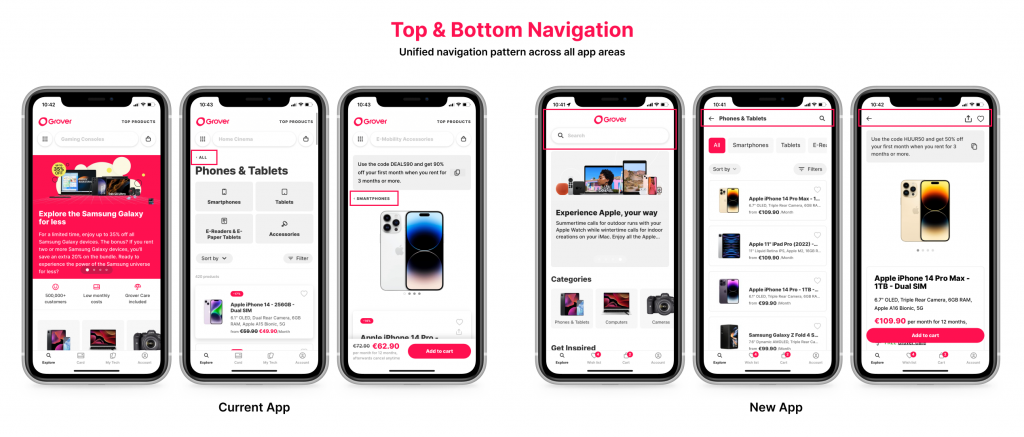
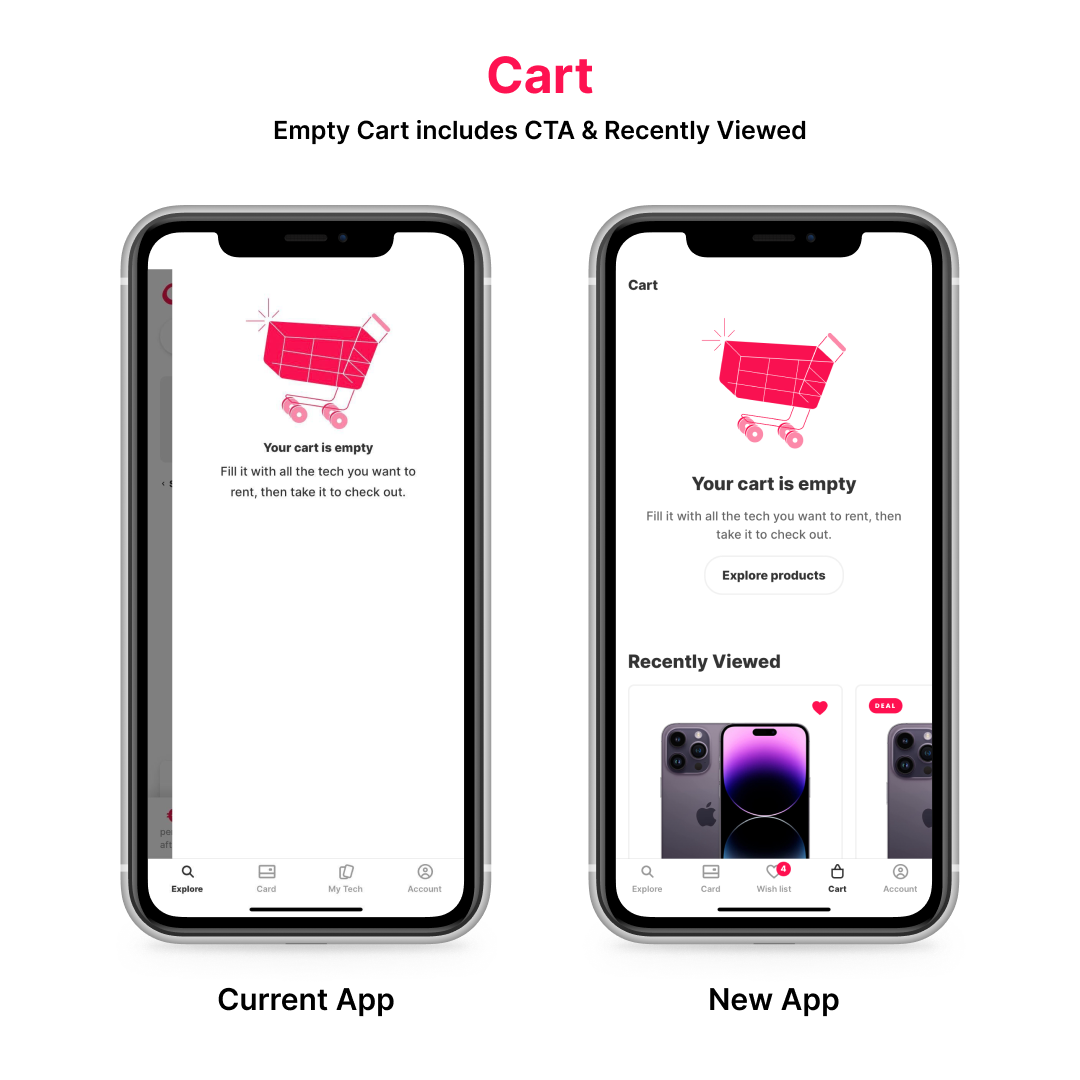
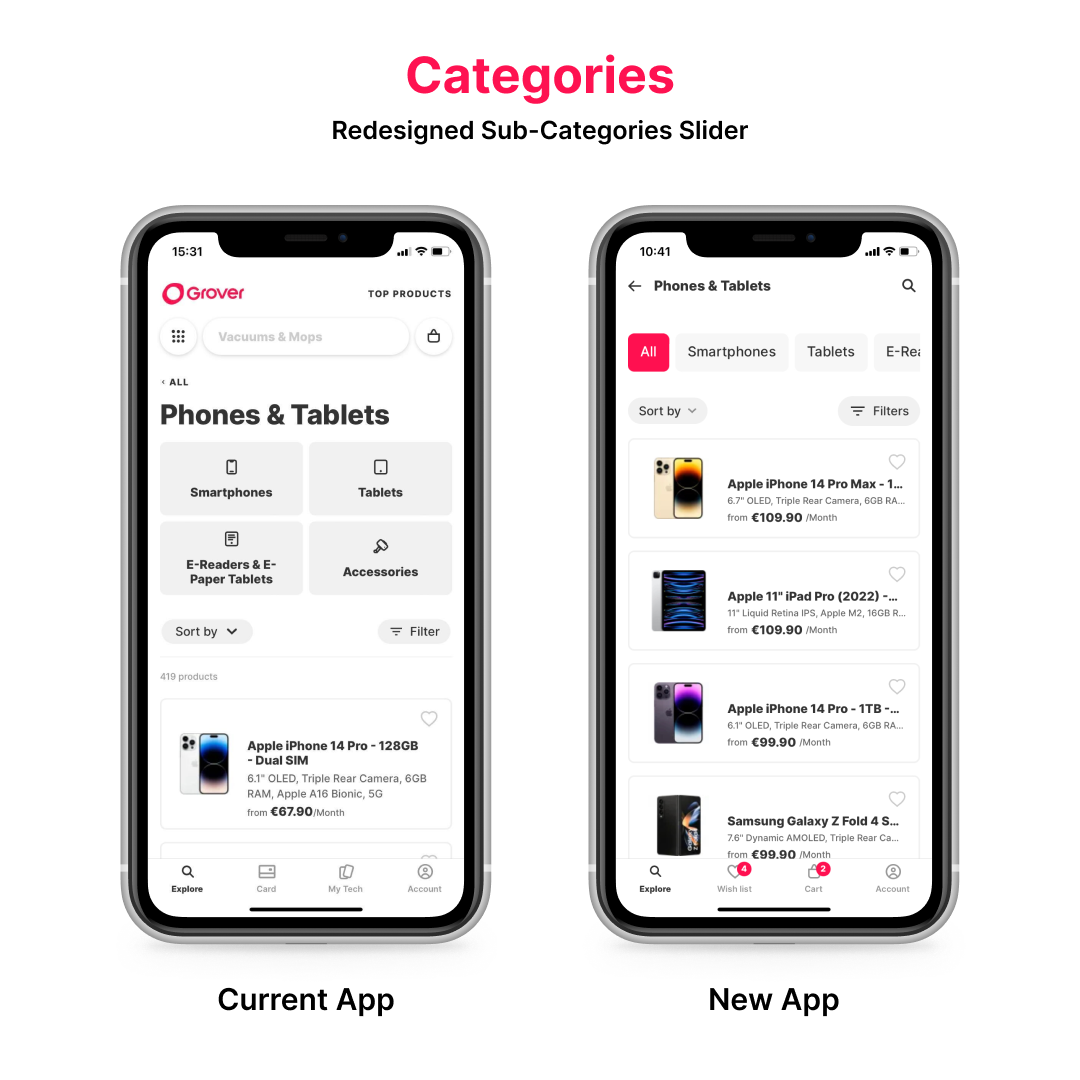
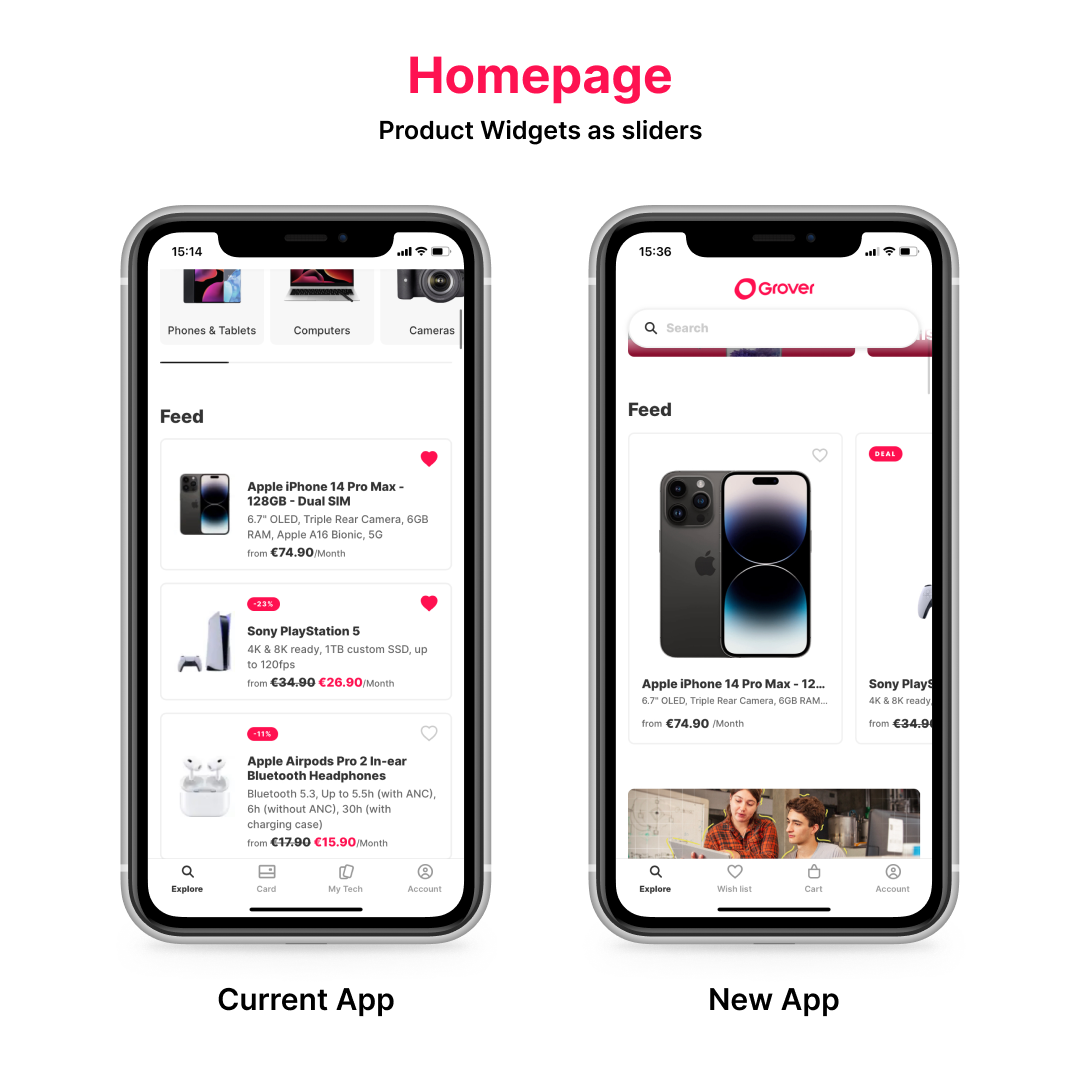
We shipped a fully React Native mobile experience across iOS and Android, with updated navigation, redesigned core screens, and native functionality built in.
Tools used
React Native (replacing WebViews), Figma, Jira, Amplitude, and internal mobile CI/CD systems.
Results
Faster, smoother, more successful apps
Rebuilding in React Native made an immediate impact. Conversion rates improved across the funnel, users engaged more consistently, and app order share jumped +29% YoY.
In our A/B tests, we saw up to an 8% increase in Category-to-Order conversion and up to a 17% boost from Add-to-Cart to Order. Additionally, we saw Category-to-PDP conversions increase, as well as Add-to-Cart to Order. All depending on the country.
Beyond the metrics, the new app delivered greater stability, better performance, and a more polished user experience, reflected in improved sentiment and feedback in app store reviews.
This project turned our apps from “just the website” into a key competitive advantage on mobile.
Strategic Impact
This rebuild unlocked the foundation for native-first thinking. We’re now able to iterate faster, deliver richer experiences, and truly differentiate our app from the mobile web.
Next steps
We plan to build personalized app features, integrate deeper with device APIs, and explore offline-first capabilities.
Learnings
Users notice the difference. Native performance matters, and so does platform respect. Big gains require big alignment, and we made it happen across 7+ teams.
Great products are never build in silos, I therefore like to thank an amazing group of people working with me on this project: Ana-Maria Ghinita, Inna Nichiporenko (both Design), Gabe Silva, Sergio Behrends, Ema, Karan, Gedewon, Leda (all Engineering), Olawale Jenyo, Patrick Geaney and everybody else I might be missing.