We replaced our outdated, high-maintenance search engine (ElasticSearch) with a faster, smarter solution powered by Typesense. Through this rebuild, we enhanced the frontend UX and backend flexibility, significantly improving search quality and conversion rates. The result? -39% fewer search exits and +108% YoY Search-to-Order conversion in the US, paired with a faster and easier-to-maintain infrastructure.
Situation
Our search was broken—and users knew it.
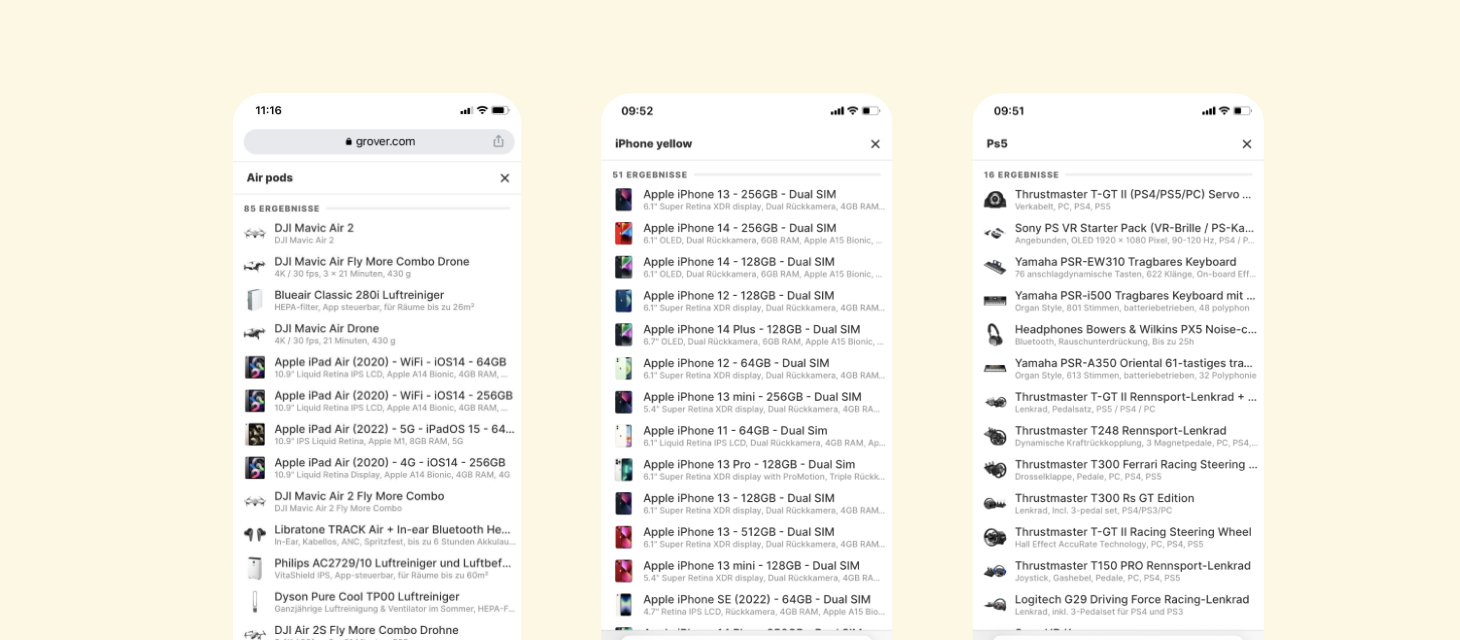
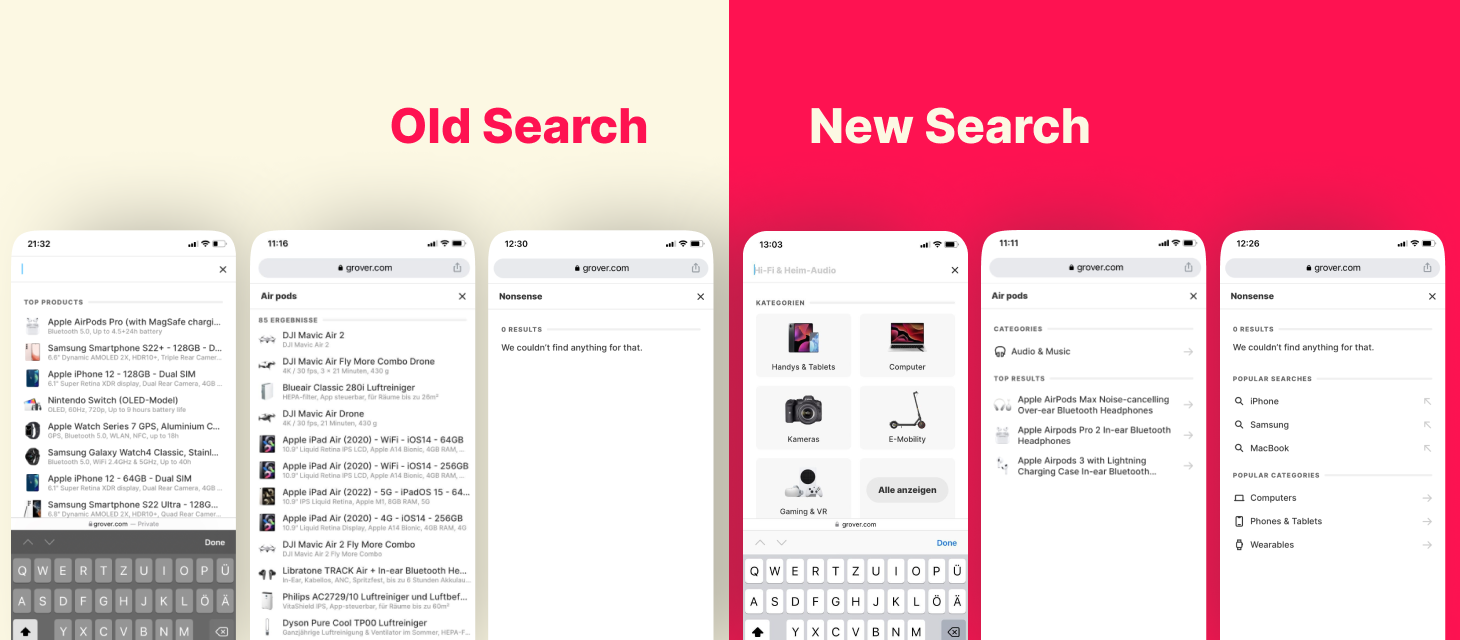
Although search was a key use case, used by up to 47% of our customers, it was underperforming. 23.8% of users exited without finding what they were looking for. Our old search engine, built on ElasticSearch, was clunky, inflexible, and hard to improve. It was tied to filters, categories, and other backend components, making even small changes complex.
And come on, just look at those bad search results below.
We needed to do more than fix results, we needed to rethink how search worked for users and for our teams. That’s when we decided to rebuild the entire search experience: frontend and backend, UX and infrastructure.
"Research reveals 69% of online shoppers go straight to site search… but 80% admit leaving because the on‑site search experience didn’t meet their expectations."
Nosto.com
Task
Make finding products effortless
We set out to improve search quality, simplify backend operations, and increase conversion rates. The solution needed to be modular, scalable, and centred around how users actually search.
Primary Success
Search Exit Rate
Search to Order Conversion Rate
Secondary Success
PDP Views via Search
Guardrail Metrics
Search Load Time
Performance in Legacy Browsers
Tradeoff Metrics
Session Duration
Navigation Interaction Rate
Actions
From broken to best-in-class
To tackle this foundational problem, we worked in parallel tracks, improving frontend usability while rebuilding backend architecture. Research and testing informed every iteration.
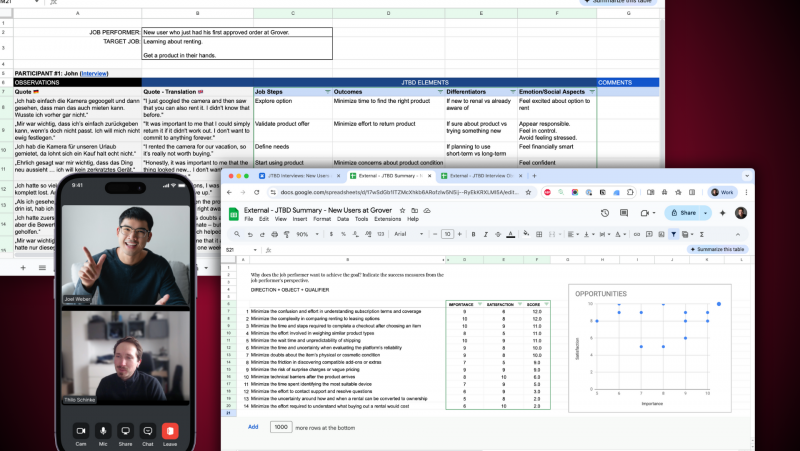
We started by identifying the key features a modern search engine must offer: speed, flexibility, and relevance. We reviewed UX best practices and benchmarked industry leaders to understand how top-tier platforms solve search.
We gathered insights from current user behaviour and collaborated closely with business stakeholders to define goals. Simultaneously, we evaluated and selected Typesense as our future-proof search engine provider.
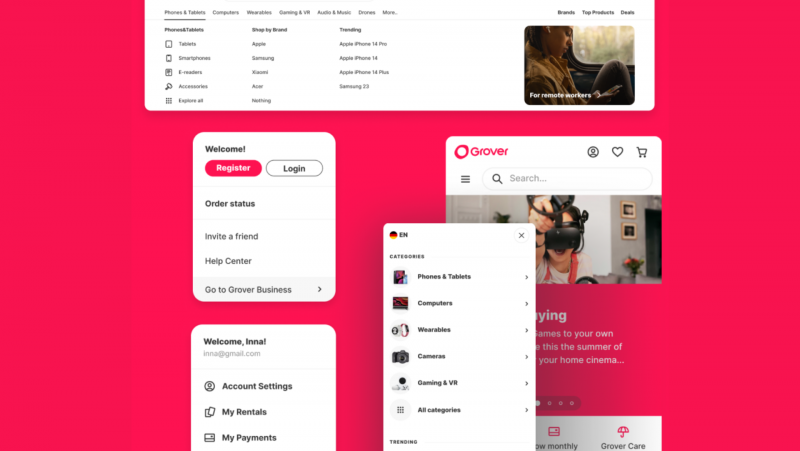
While backend contracts and infrastructure were being finalized, we delivered essential frontend improvements, like category suggestions and recent searches, to increase usability and drive quick wins.
We first rolled out the new backend-powered results in the search overlay. Once successful, we expanded it to the search result listings. To ensure a unified and scalable solution, we then brought the new experience from Web to our native apps.
Frameworks/Methods
We used A/B tests to validate changes and benchmarked industry leaders to define must-have features. Our prioritization was guided by user impact and implementation effort.
Deliverables
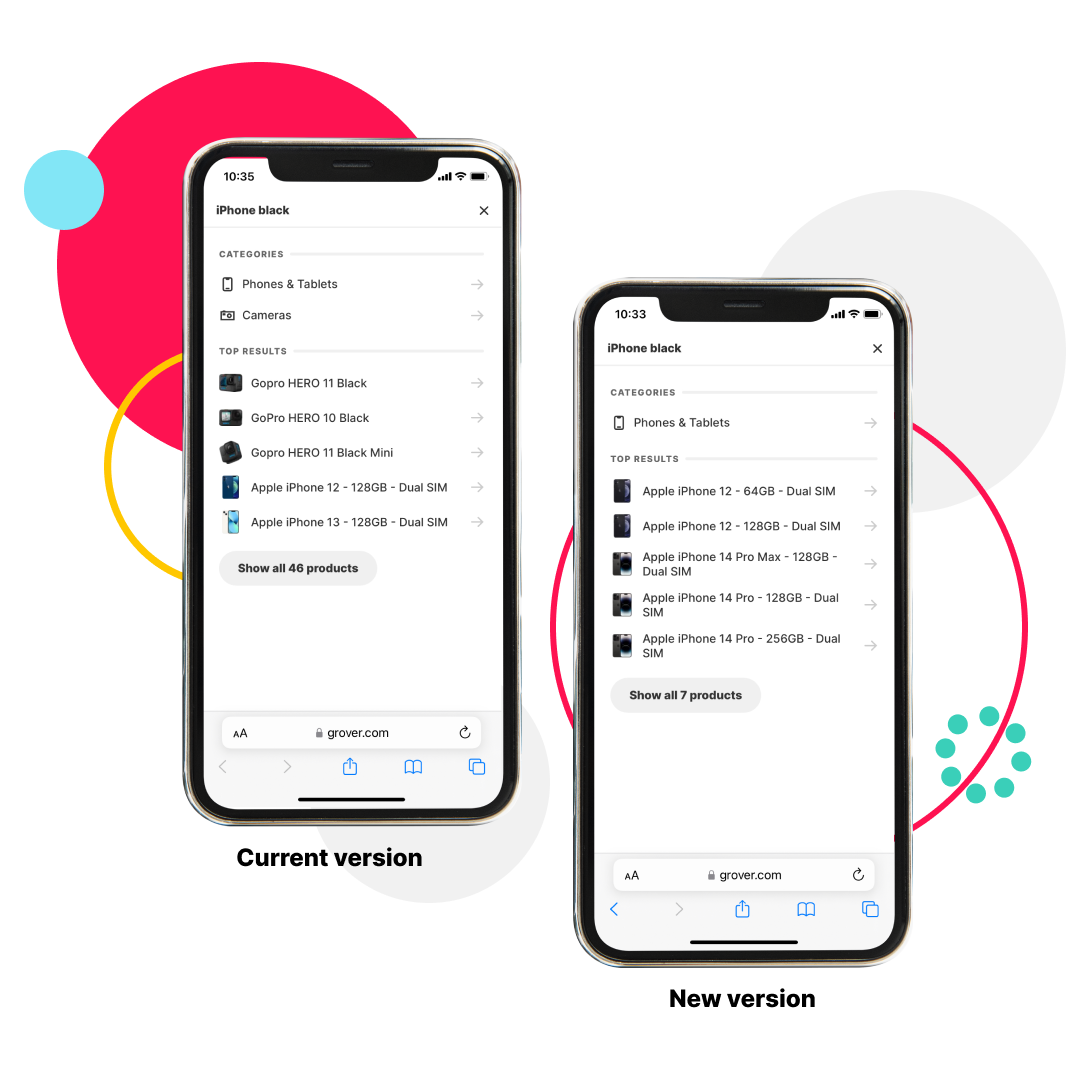
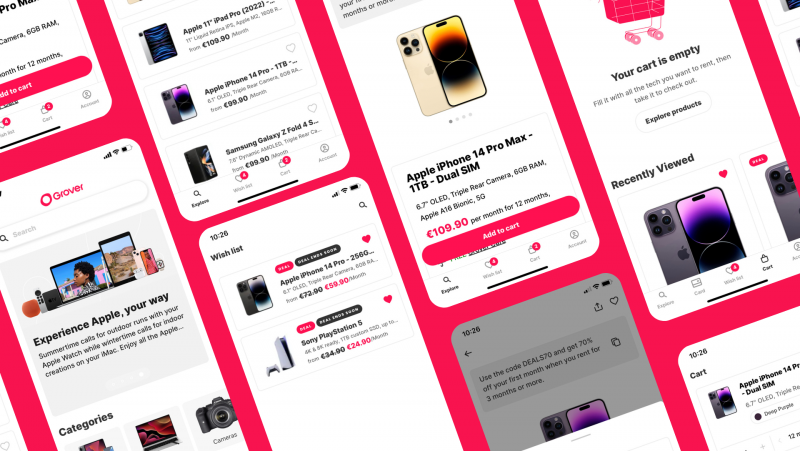
We delivered a modular and intuitive frontend paired with a powerful backend. The new system included redesigned overlays, enhanced search result pages, and a complete migration from ElasticSearch to Typesense.
Tools used
We replaced ElasticSearch with Typesense as our core search engine. Our workflow relied on Figma for design, Miro for planning, Amplitude for analytics, and Jira for coordination and delivery.
Results
A smarter engine with real impact
Our search redesign delivered measurable, meaningful improvements. We cut global search exits by 39% and increased submitted search orders by 3.9%. In the U.S., our search-to-order conversion more than doubled YoY (+108%) and exits dropped by 32%. The transition to Typesense also reduced backend complexity and increased our ability to iterate.
Strategic Impact
We created a search infrastructure that delivers better results and adapts faster to change. It improved the user journey and unlocked scalability for future personalization.
Next steps
We plan to build smarter search suggestions, tailor search by customer segment, and integrate merchandising features to promote strategic products directly in results.
Learnings
Don’t underestimate the backend. A good search experience depends as much on infrastructure as on UI. Continuous A/B testing and strong engineering collaboration are key.
Update
In October 2024 we implemented Auto-Suggest
We introduced Autosuggest, a game-changer in helping users find what they need faster. Now, as users begin typing, they’re instantly guided by relevant suggestions pulled from our top products and categories. If they make a typo, we automatically correct it. With each new word, the suggestions get smarter.
Why it mattered? Because it doesn’t just help users complete their task—it inspires them to explore. Autosuggest improved speed, accuracy, and discovery, creating a smoother journey from intent to action.
Great products are never build in silos, I therefore like to thank an amazing group of people working with me on this project: Ana-Maria Ghinita, Inna Nichiporenko, Lorenzo (all Design), Gabe Silva, Sergio Behrends, Usama Hameed, Stevan, Taj, Marc, Lily, Luis, Ricardo, Ema, Karan, Gedewon, Leda (all Engineering), Olawale Jenyo, Patrick Geaney and everybody else I might be missing.